Olympic National Park
Olympic National Park is a massive, 922,000-acre UNESCO World Heritage Site located on Washington State's Olympic Peninsula. It is famous for protecting three distinct ecosystems: glaciated alpine peaks, ancient temperate rainforests, and miles of wild Pacific coastline. Because there are no roads crossing through the center of the park we visited all three ecosystems as we drove US 101 which loops around the entire peninsula.
Hoh Rain Forest
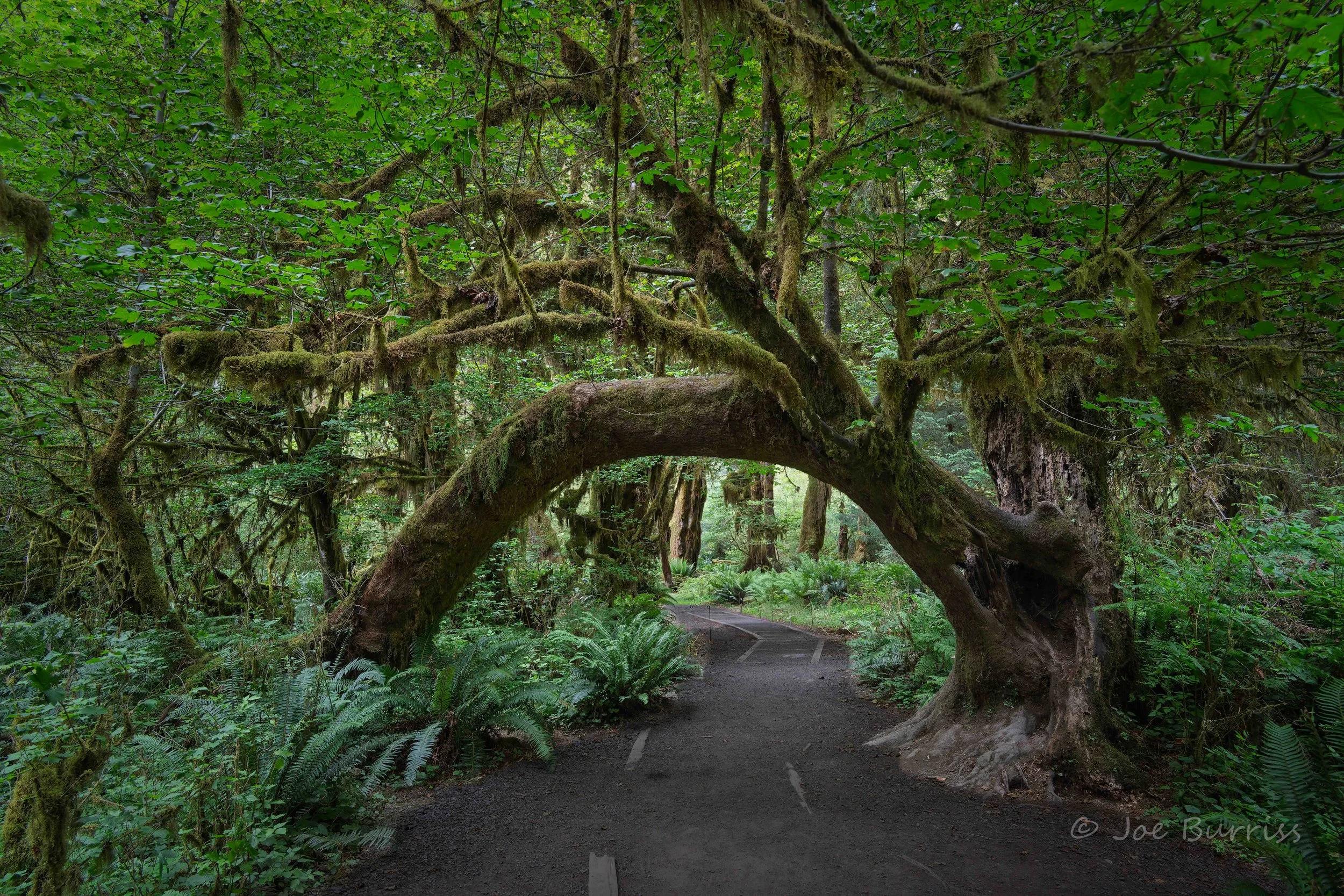
We hiked the Hall of Mosses Trail in the Hoh rainforest, where massive, centuries-old trees are draped in lush, green hanging moss.
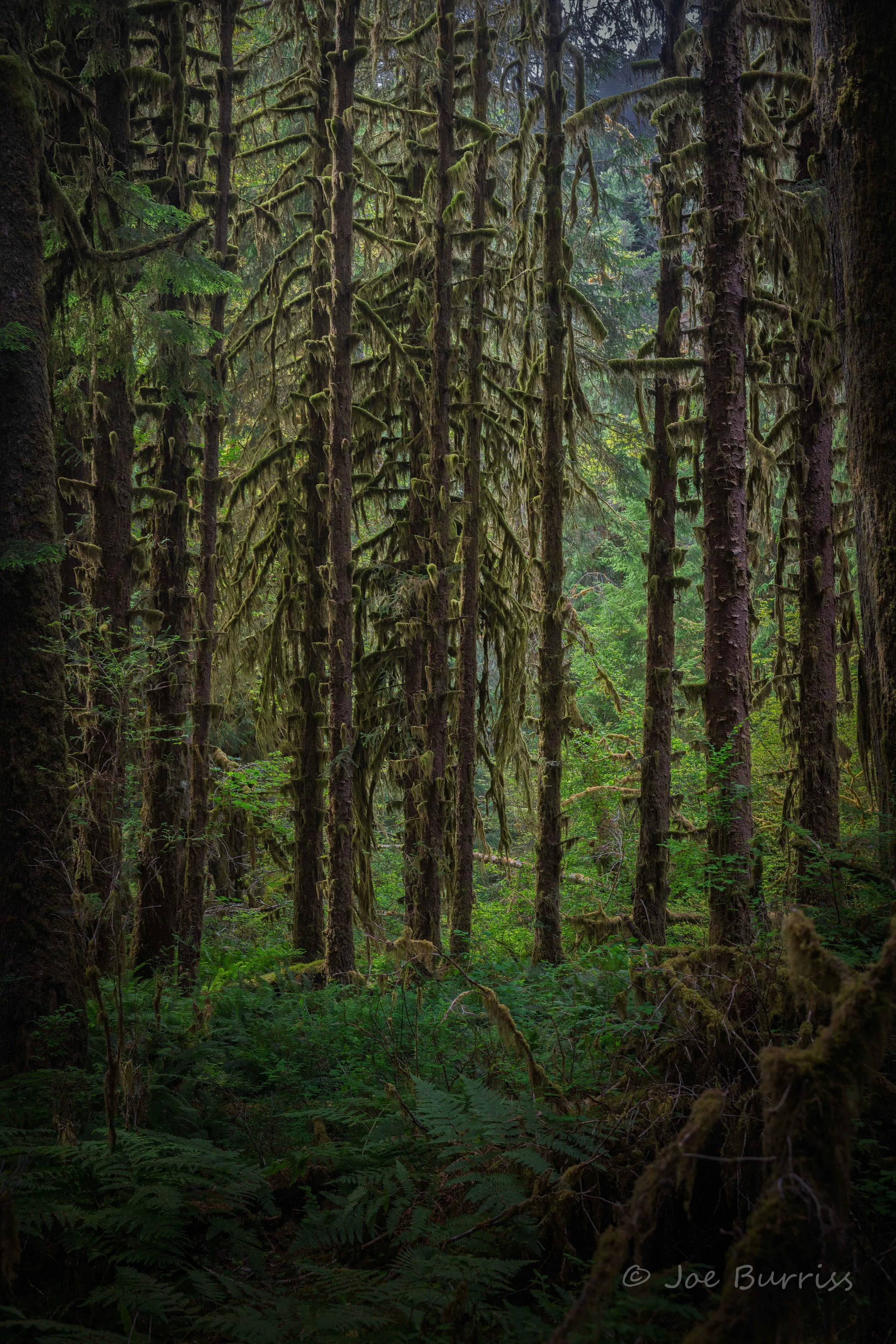
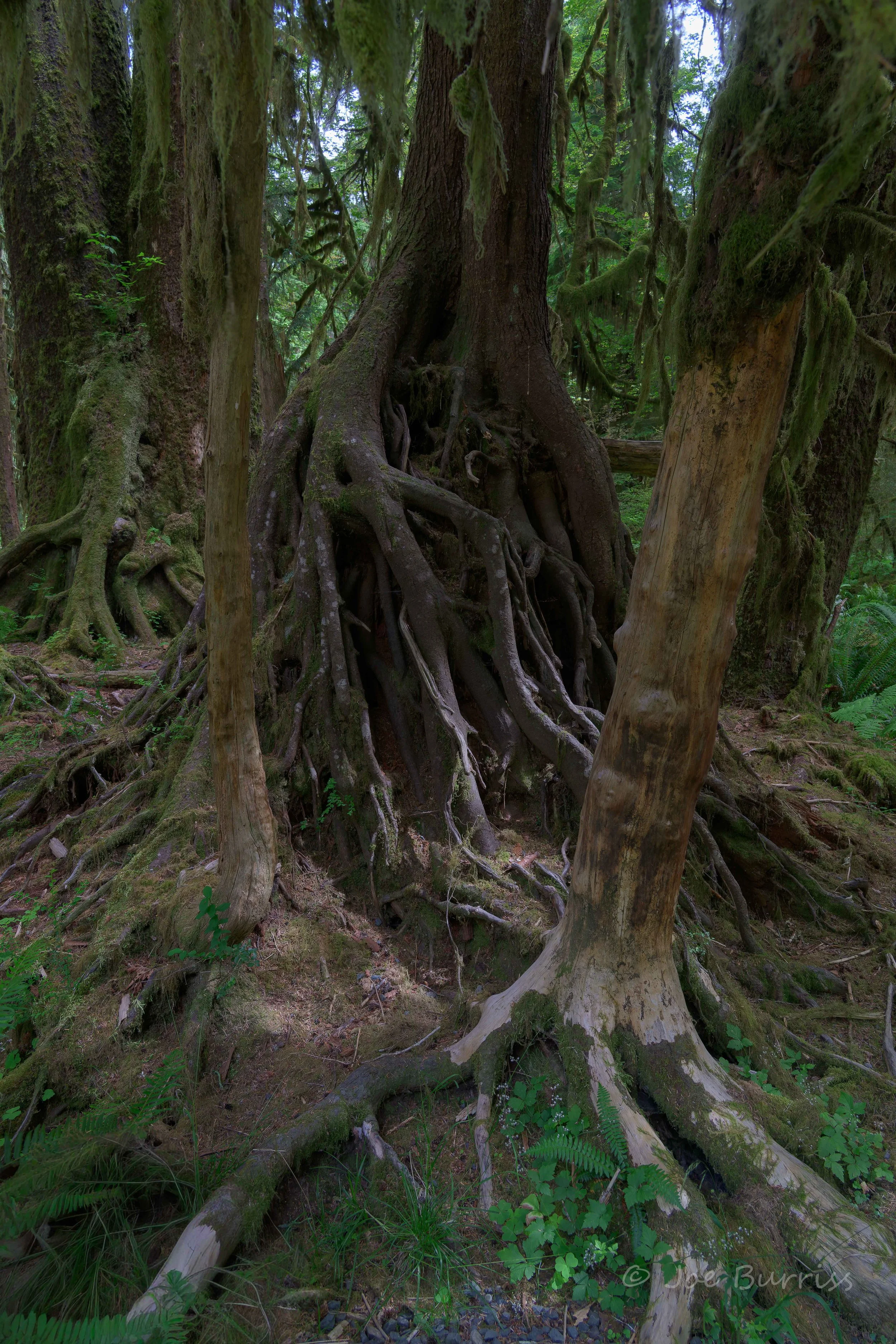
Nurse logs in the Hoh Rain Forest are fallen elder trees—such as western hemlocks and Sitka spruce—that slowly decay and act as natural nurseries providing vital nutrients, moisture, and elevated surfaces for new seedlings to sprout. This tree started life on a nurse log which is long gone resulting in the roots exposed.
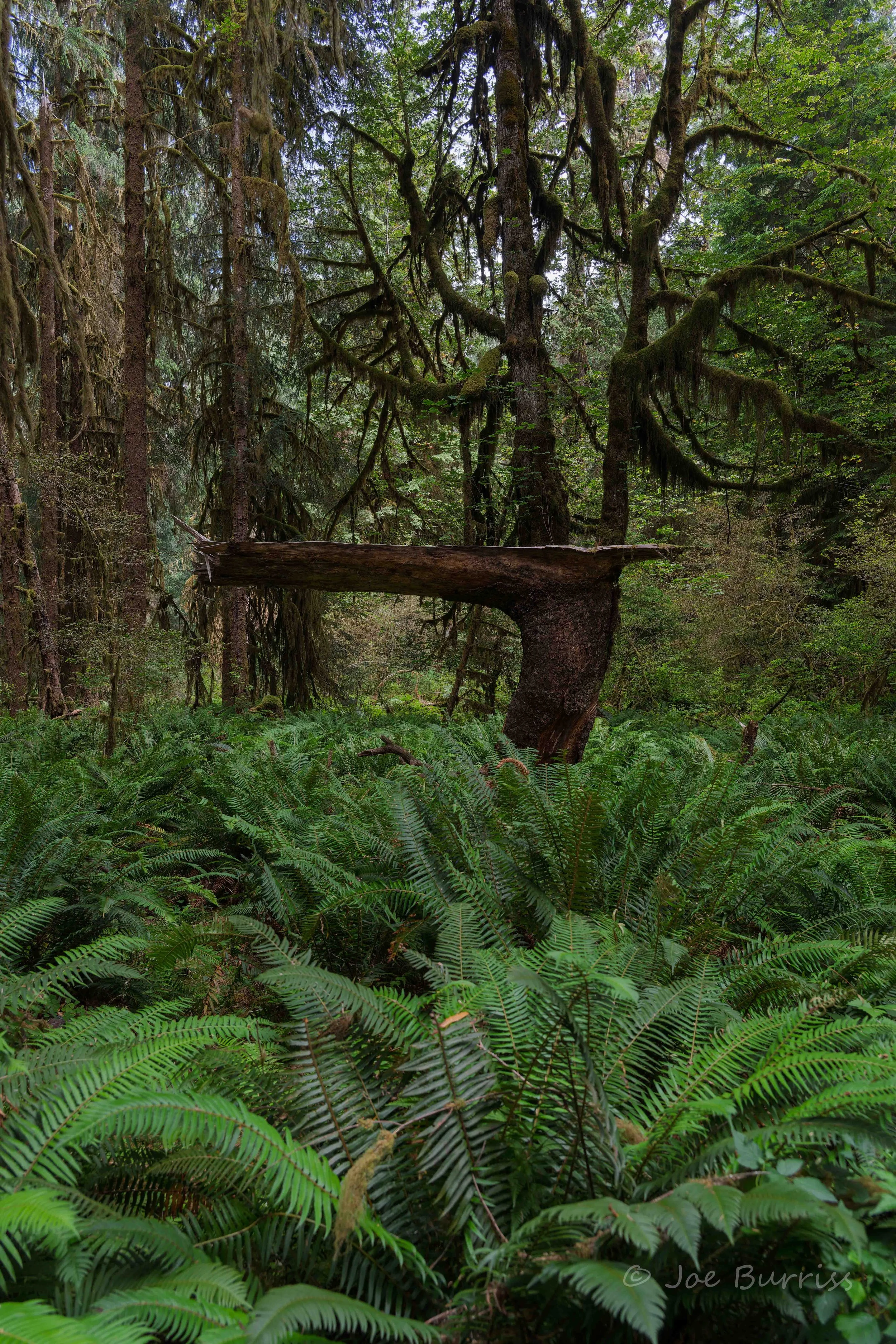
One weird stump, I wish I could have seen the tree.
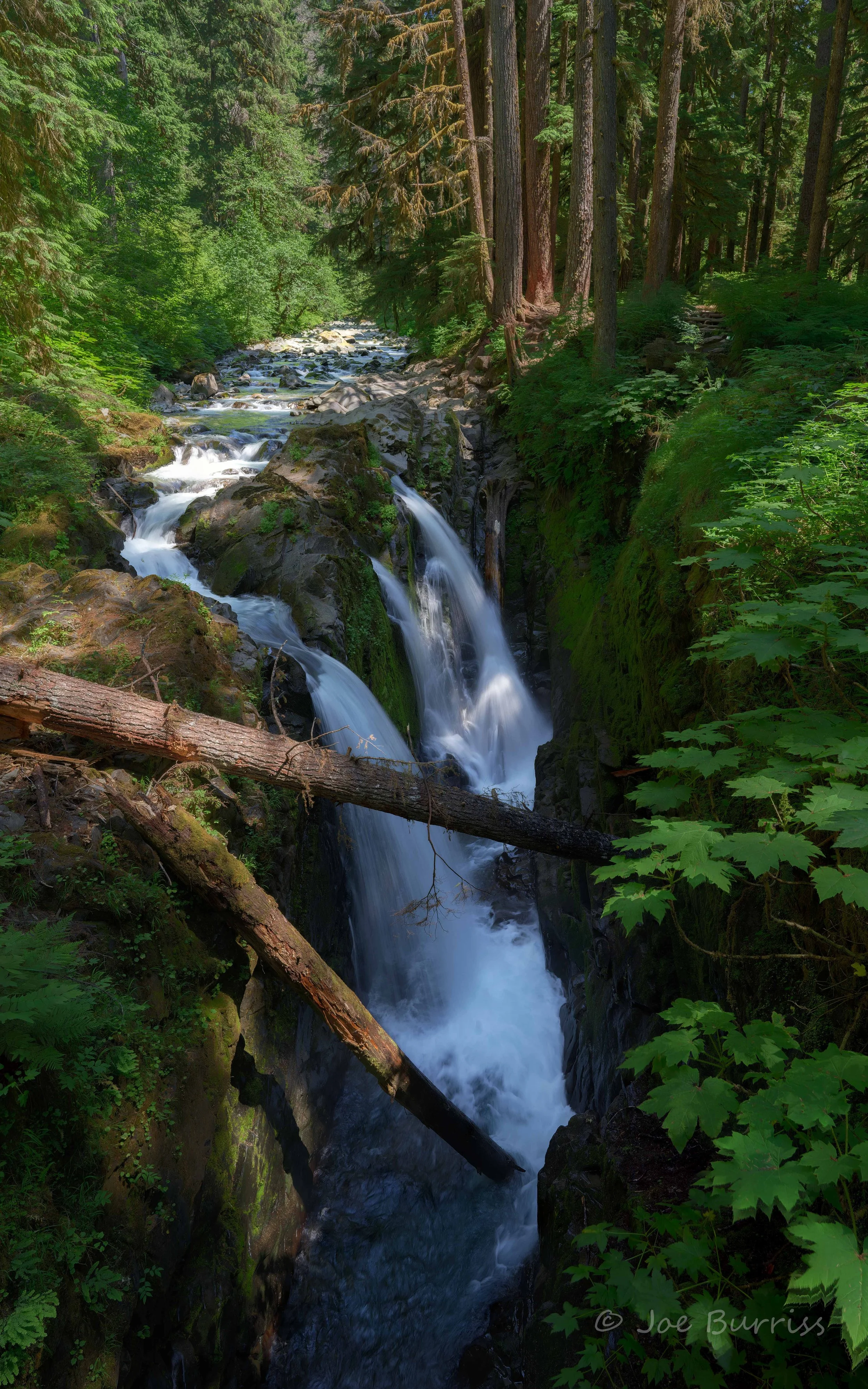
Sol Duc Falls
Pacific Coast
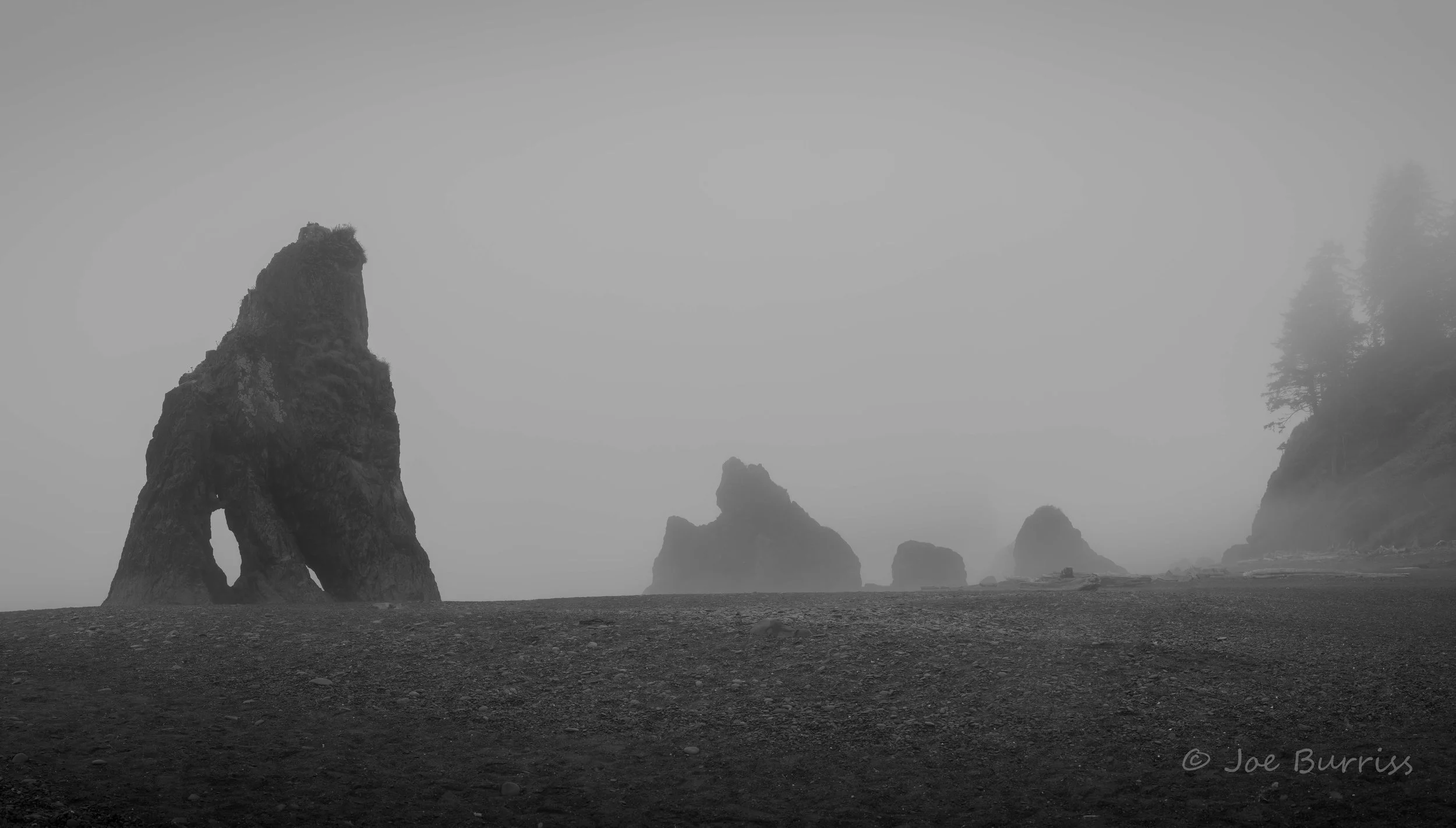
Ruby Beach
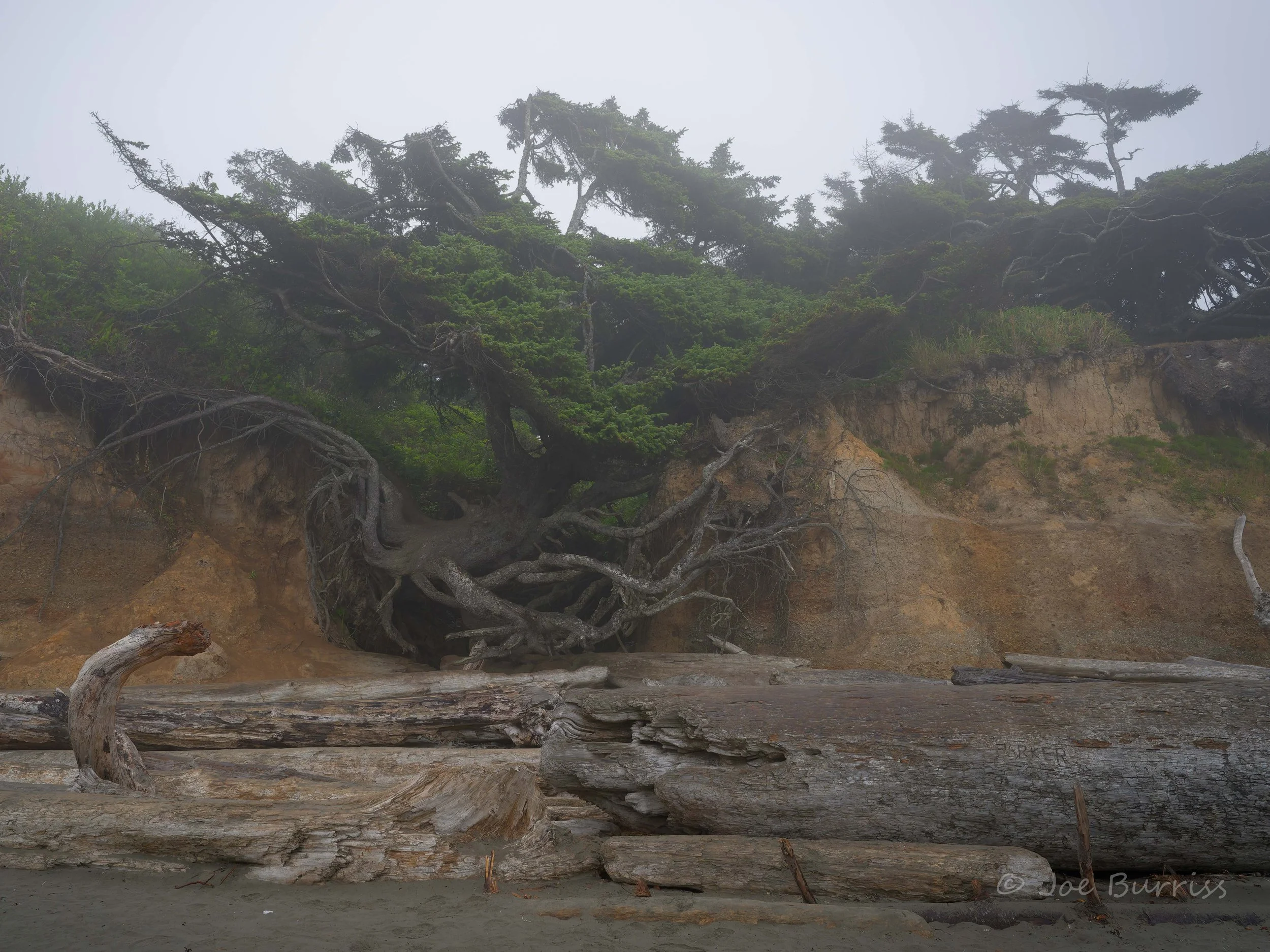
The "Tree of Life" (or "Kalaloch Tree") is an iconic, gravity-defying Sitka spruce in Olympic National Park. Coastal erosion from a freshwater creek has hollowed out the ground beneath the tree, leaving the roots exposed to the air. The tree survives by drawing nutrients from the portions of the roots that are still anchored in the stable sandstone bluffs on either side of the gap.
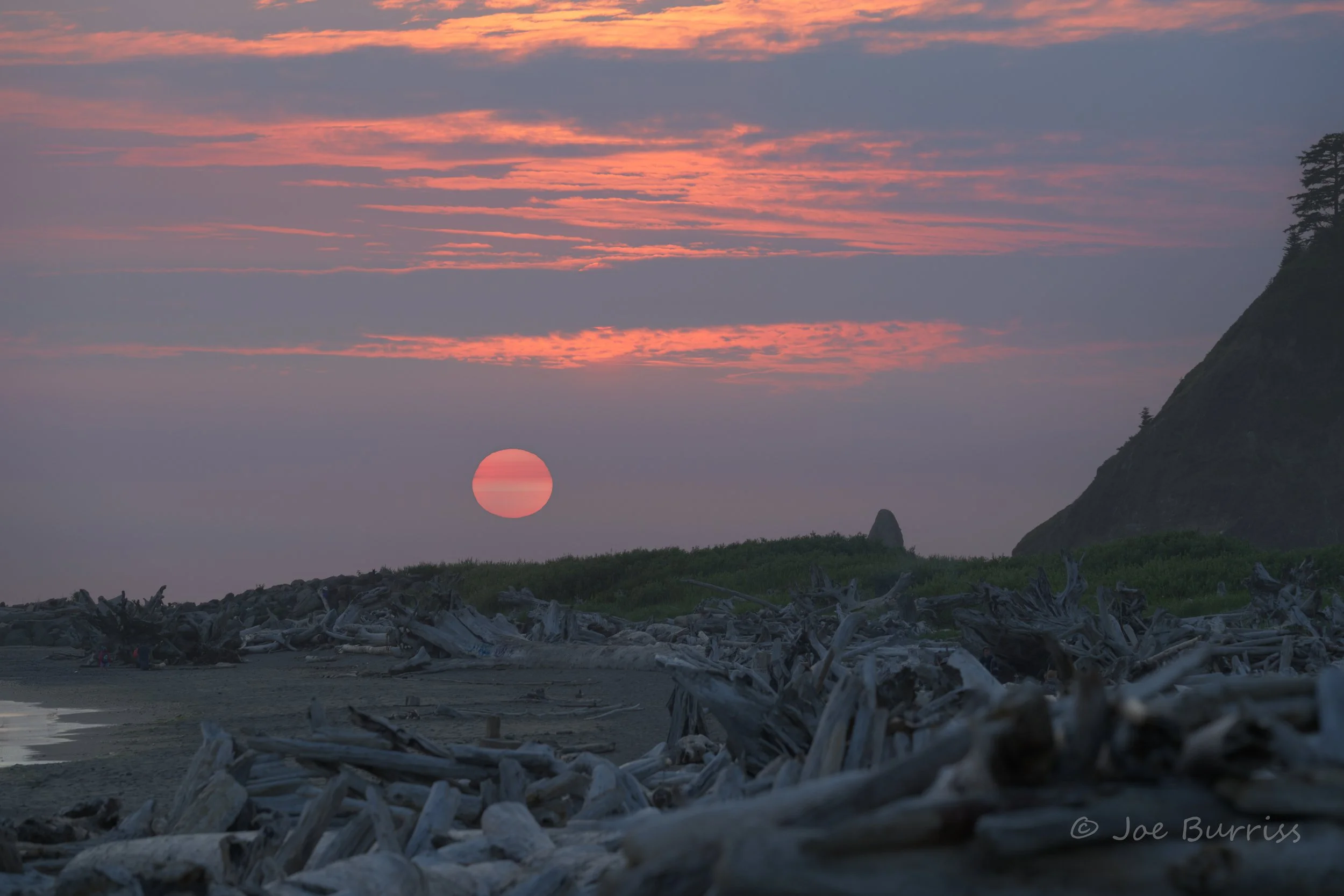
First Beach sunset La Push.
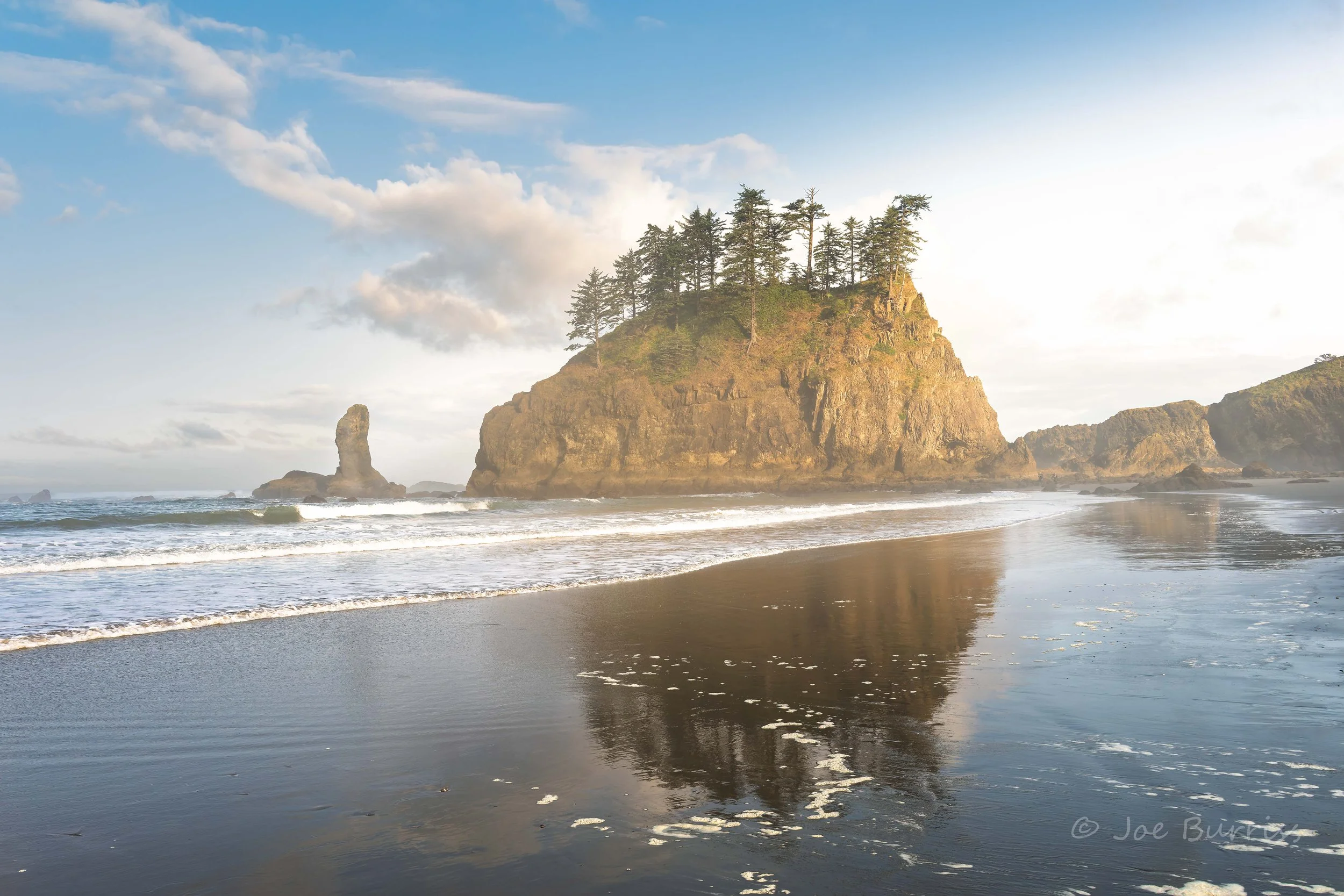
Early morning at Second Beach.
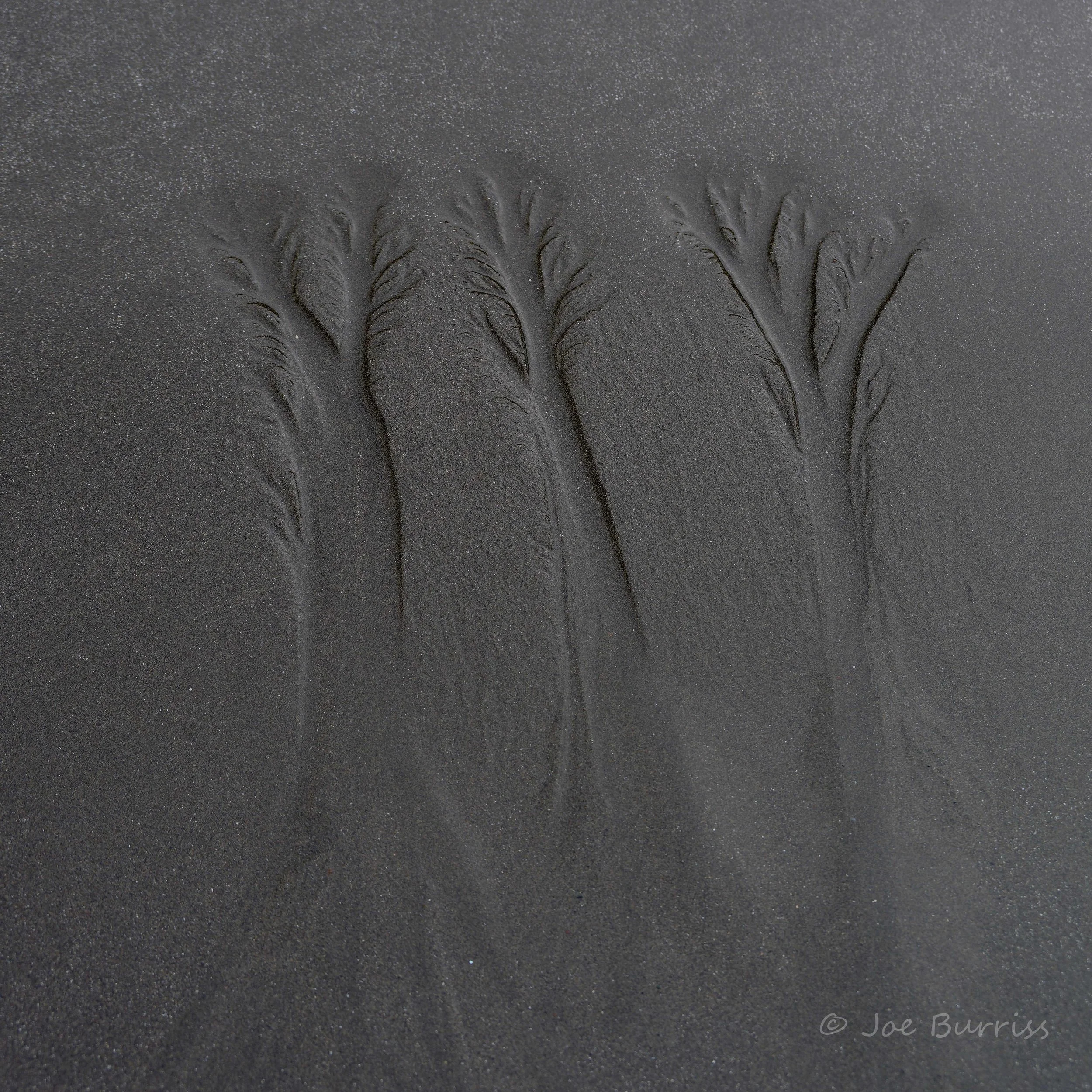
Mother Nature made pictures of trees in the sand on third beach.
Hurricane Ridge
A mile-high mountain viewpoint offering panoramic vistas of the Olympic range, subalpine wildflower meadows, and roaming wildlife.
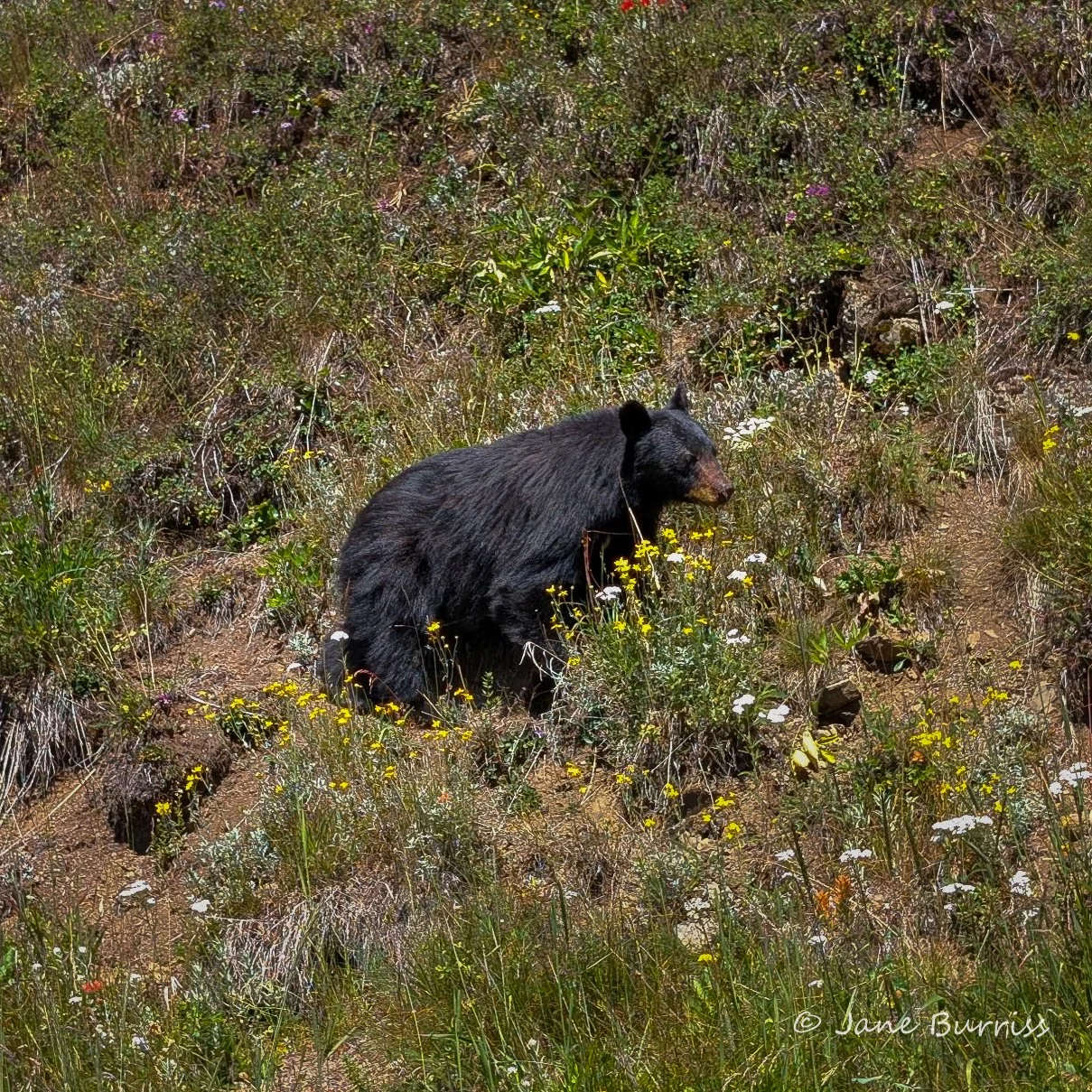
Roadside bear
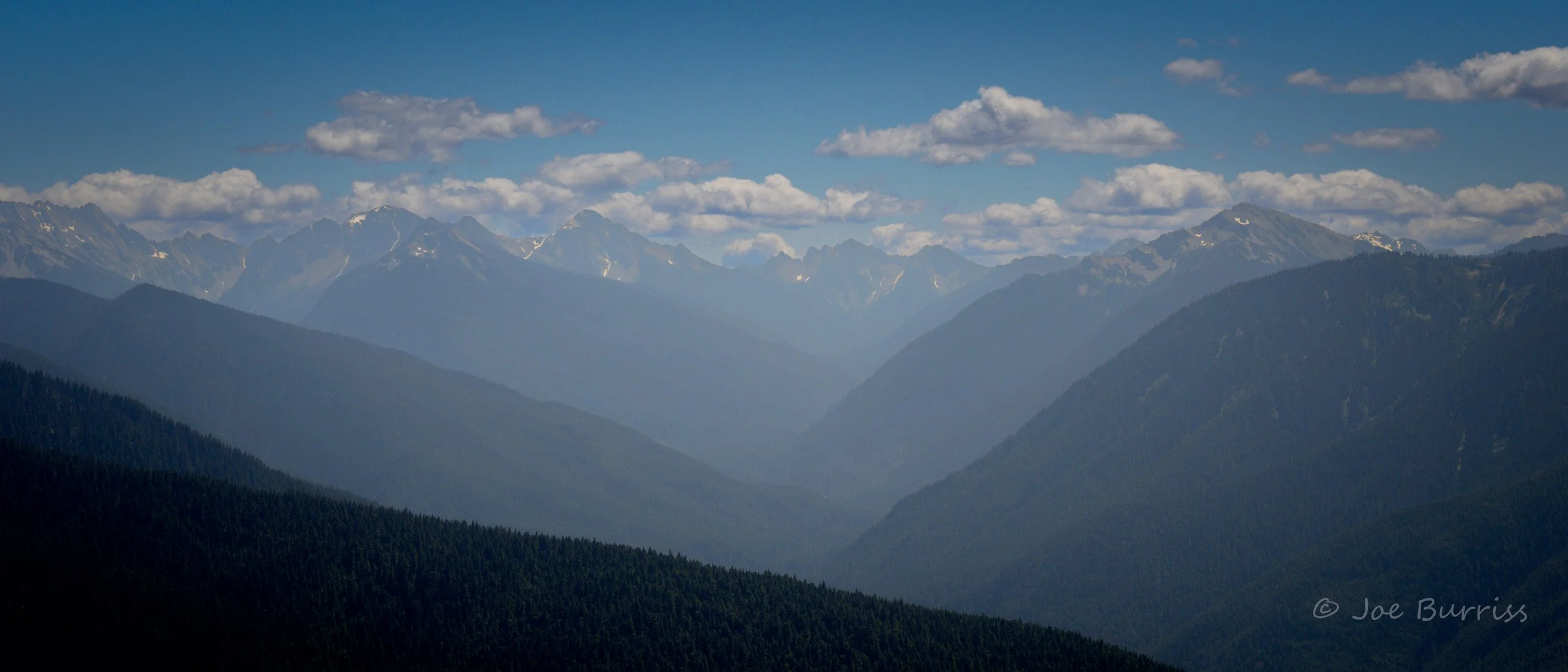
Hurricane Ridge View.
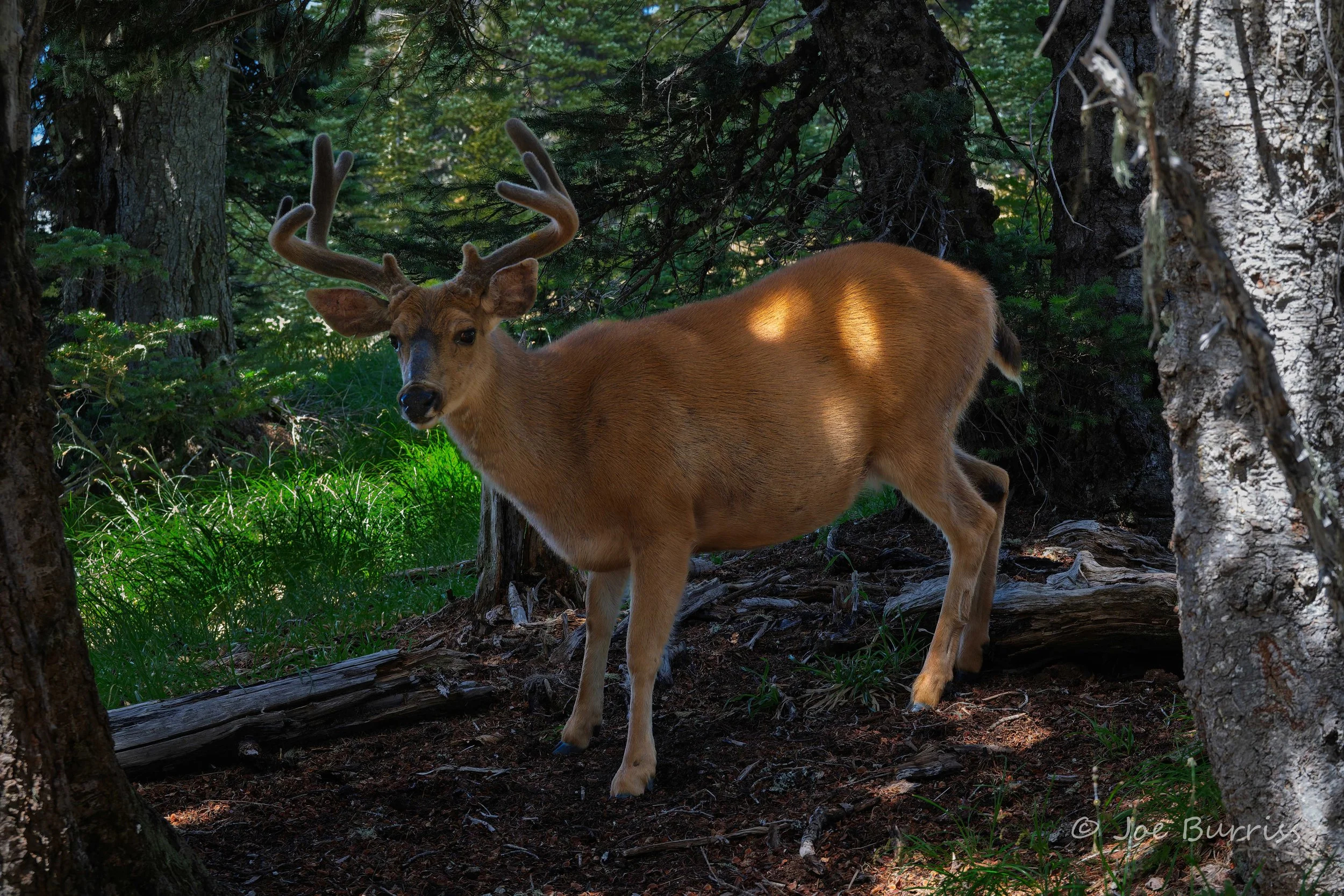
This is a Columbian black-tailed deer common throughout Olympic National Park. It is a subspecies of the mule deer, they are smaller in size and found along forest edges, river valleys, and subalpine meadows like Hurricane Ridge.
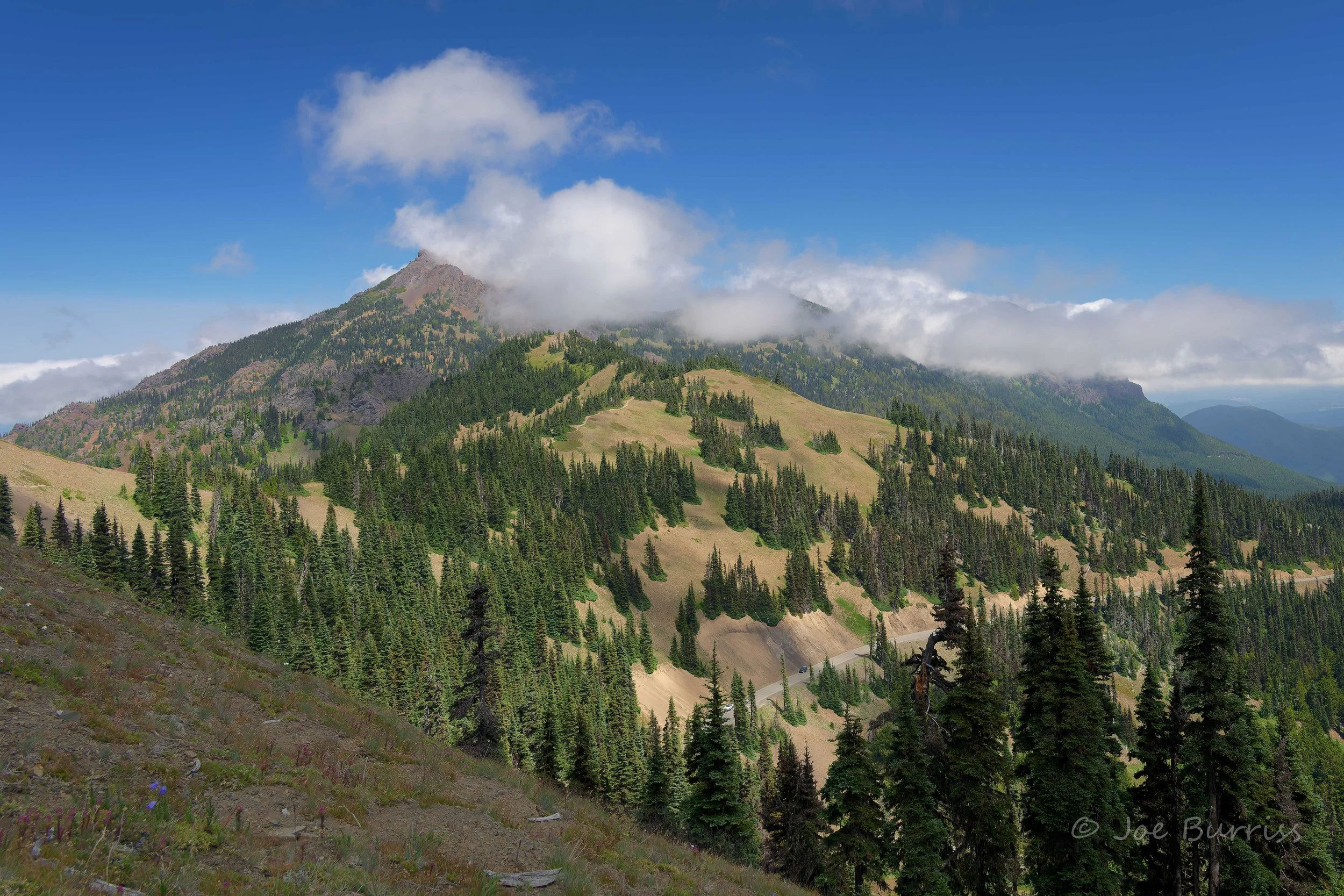
Hurricane Ridge View.
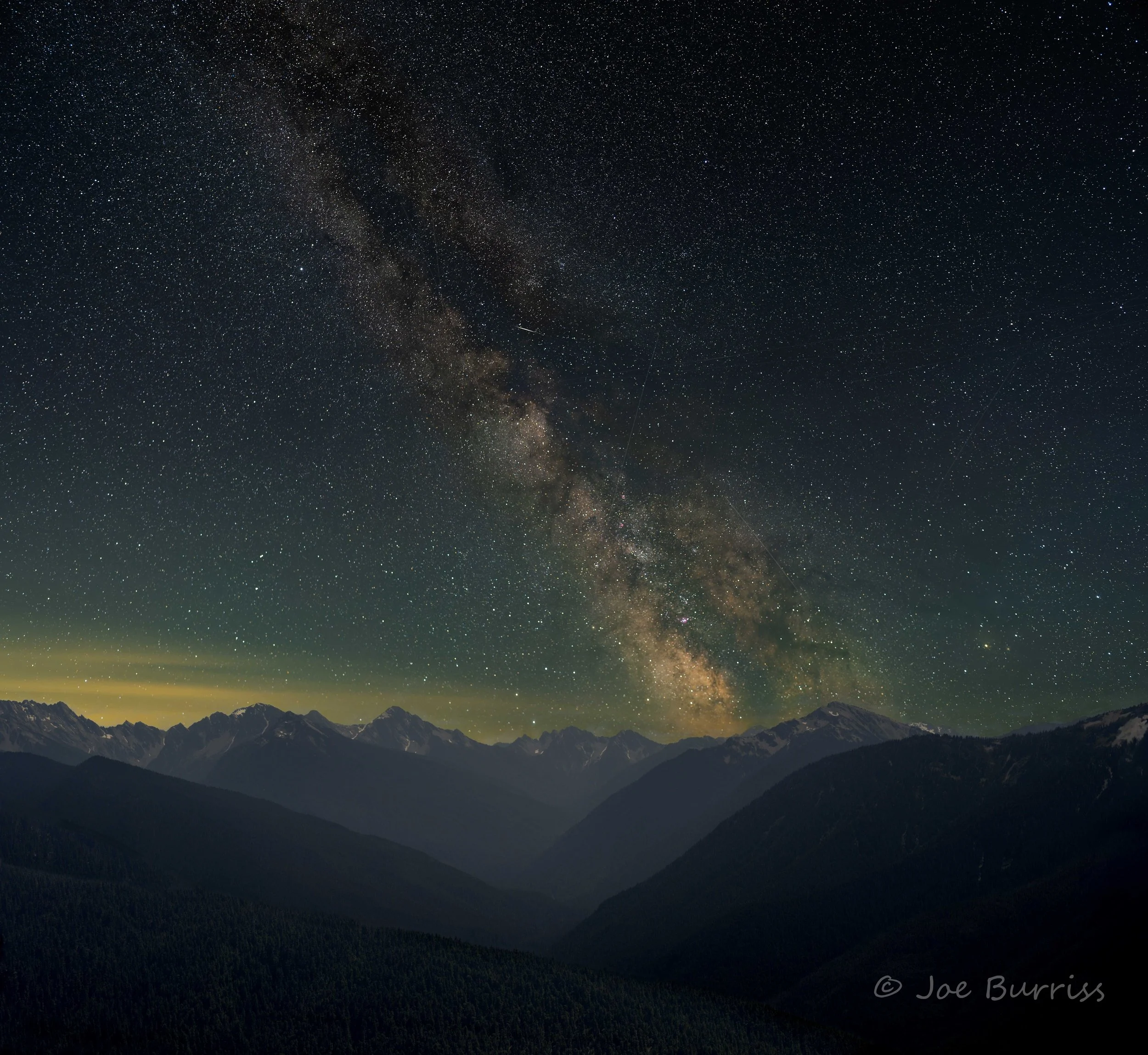
Milky Way seen from Hurricane Ridge.
